
Fighting Breast Cancer with 3-D Mammograms
Early detection plays an important role in breast cancer care. Regular mammograms can help identify breast cancer before symptoms appear, which may lead to more treatment options and lower healthcare costs.
Freeman Women's Pavilion encourages annual breast cancer screening beginning at age 40, along with additional screening and follow-up care based on individual risk factors. Mammography can detect changes that may not be felt during a breast self-exam or clinical breast exam.
Freeman Women's Pavilion is accredited by the American College of Radiology (ACR) for mammography, reflecting our commitment to quality, safety and excellence in breast imaging.
We are committed to providing personalized breast care at every stage, from screening and diagnosis to treatment and ongoing monitoring. Freeman is also the first and only provider in the region to offer the GE HealthCare Senographe Pristina™ Dueta 3D mammography system, which allows patients to participate in controlling compression during the exam and is designed to enhance comfort while delivering high-quality breast imaging.
Need help paying for a mammogram? Financial assistance may be available through the Helping Friends Mammogram Fund. If cost is a concern, contact us to learn more about available resources and support Contact Us
Call 417.347.7777 to schedule your mammogram today.
Low dose for diagnostic accuracy
The Senographe Pristina is the ONLY FDA approved 3-D mammography system that delivers at the same low dose as 2D full-field digital mammography, providing the lowest patient dose of all FDA approved systems.
More comfortable mammography experience
Fear of pain is one of the most common reasons why women do not schedule a mammogram. A recent study conducted found that painful exams explain why 25% to 46% of women failed to return for further breast imaging. The Pristina approaches this problem in two ways: by making the paddles that compress the breast more flexible and by putting compression control in the hands of the patient.
When you compress the breast with rigid paddles in a vice, what hurts is not the compression itself but the shearing as parts of your breast move to the left and parts of your breast move to the right. GE has developed a paddle that has flexibility, resulting in much less shearing, while still giving good compression. Additionally, Pristina’s soft armrests replace the more common hand grips, helping women to relax their muscles, easing discomfort and aiding clear image acquisition.
Purpose-Designed to Reshape the Mammography Experience
The Senographe Pristina is humanizing the mammography experience by increasing comfort and reducing patient anxiety. The system's potential to help increase the number of annual screening exams is an important step forward in women's healthcare.
Fast Facts

97% of patients were less anxious or not anxious at all when using Pristina.

Pristina was designed to ease patient anxiety. 50% of patients were not at all anxious during the exam.
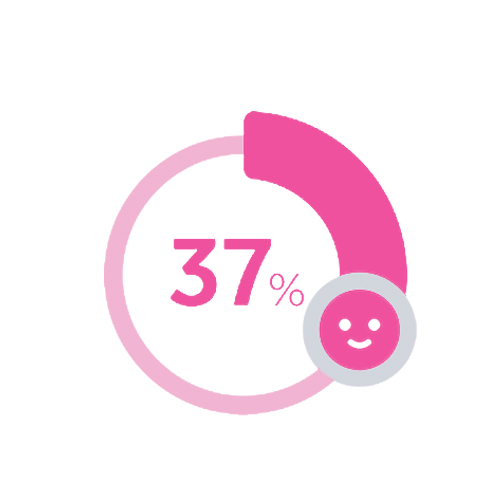
37% of patients were less anxious compared to previous exams.

First in market patient-assisted compression device
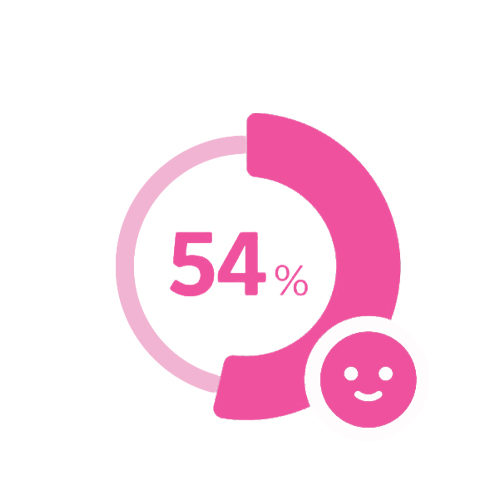
54% of patients using Dueta found it led to less anxiety.

4 out of 5 patients using Dueta said it made the exam more comfortable.
What is a mammogram?
A mammogram is a low-level x-ray of the breasts.
When should I have a mammogram and how often?
Women age 40 or older should have a mammogram every year. The best time to have a mammogram is one week after your period has started—this is when your breasts will be the least tender.
How long does the procedure take?
The procedure takes about 20 minutes.
How do I prepare for the procedures?
Don't wear deodorant or powder on the breasts or under your arm before having a mammogram. Notify the mammography technologist if you have silicon or saline breast implants, because implants can decrease the amount of breast tissue seen on mammography. The breast positioning and pressure applied may need modification in such cases.
What is the difference between screening and diagnostic mammograms?
A screening mammography is used to look for breast changes in women and men who have no signs of breast cancer. A diagnostic mammogram is given to women or men experiencing unusual breast changes such as lumps, pain, nipple discharge, thickening or changes in the size or shape of the breast.
Is a mammogram painful?
Approximately half of women who have a mammogram experience some discomfort due to the breast compression necessary to obtain a clear picture of the breasts, with the lowest amount of radiation.
Do not be alarmed if, after your mammogram, you notice some temporary discoloration of the skin on one or both breasts. This is the result of the breast compression. Remember, though this may be uncomfortable, it is absolutely essential because it improves the accuracy of the test and reduces the amount of radiation needed to get a clear picture.
Please know, breast compression is not dangerous and does not damage the breast tissue — the discomfort is only temporary.
When will I receive my test results?
A radiologist will review your x-rays and send reports to you and your referring doctor. Your doctor should receive the report within 3-4 business days, and you should receive it in 6-10 business days.